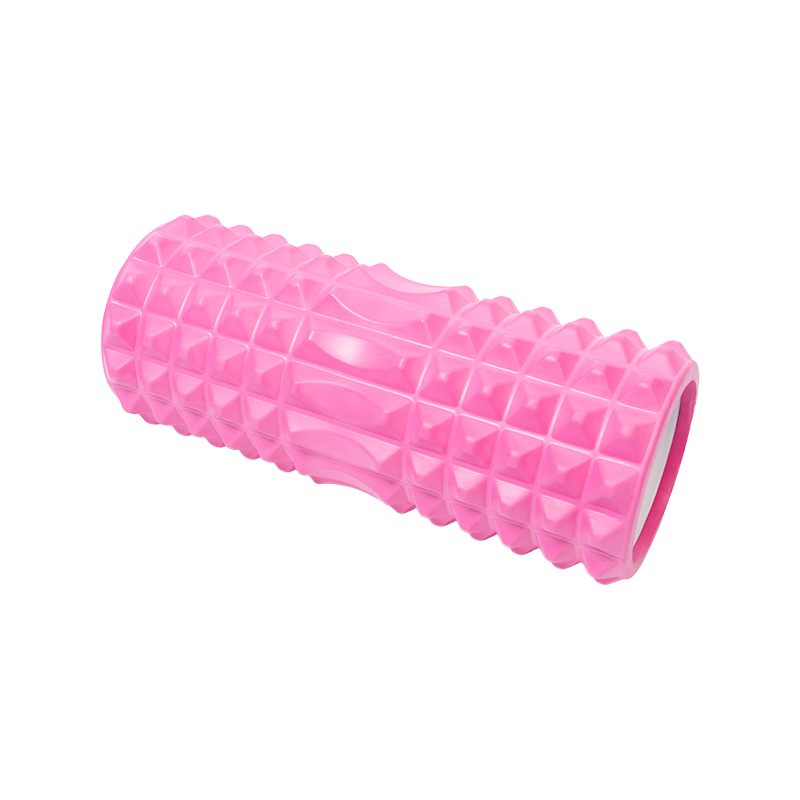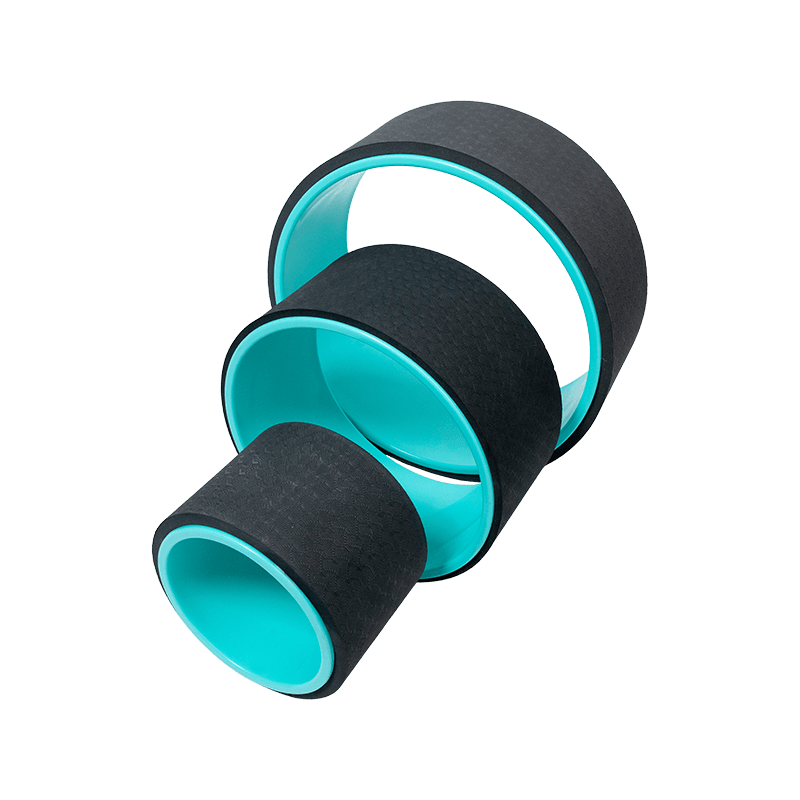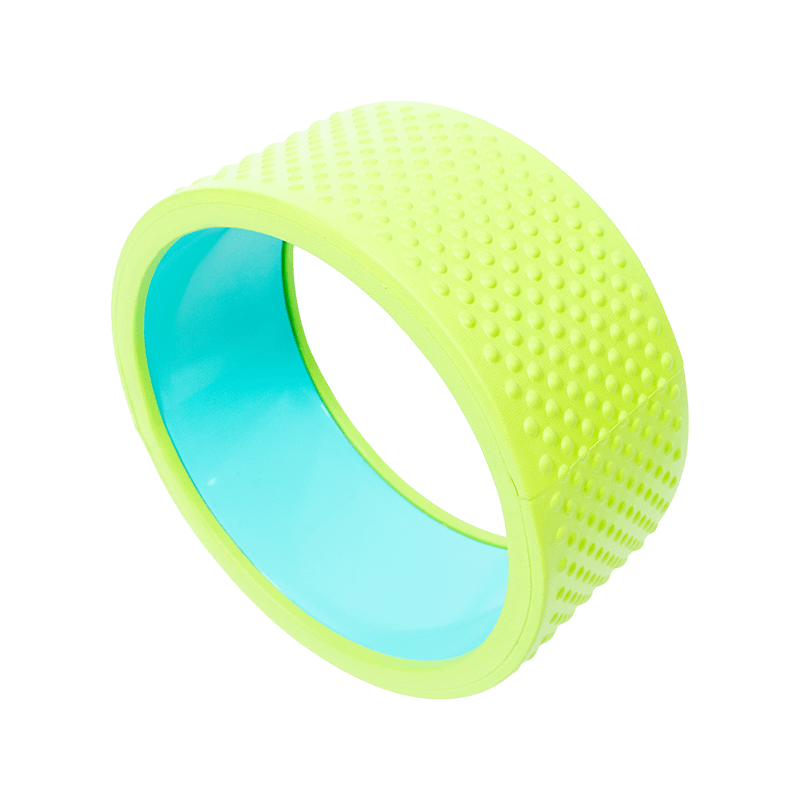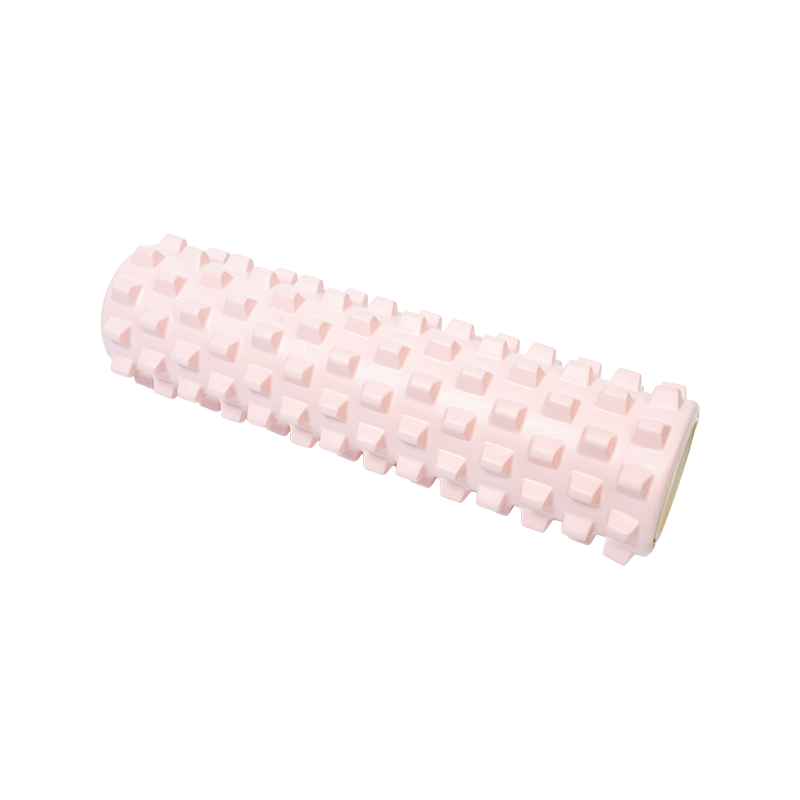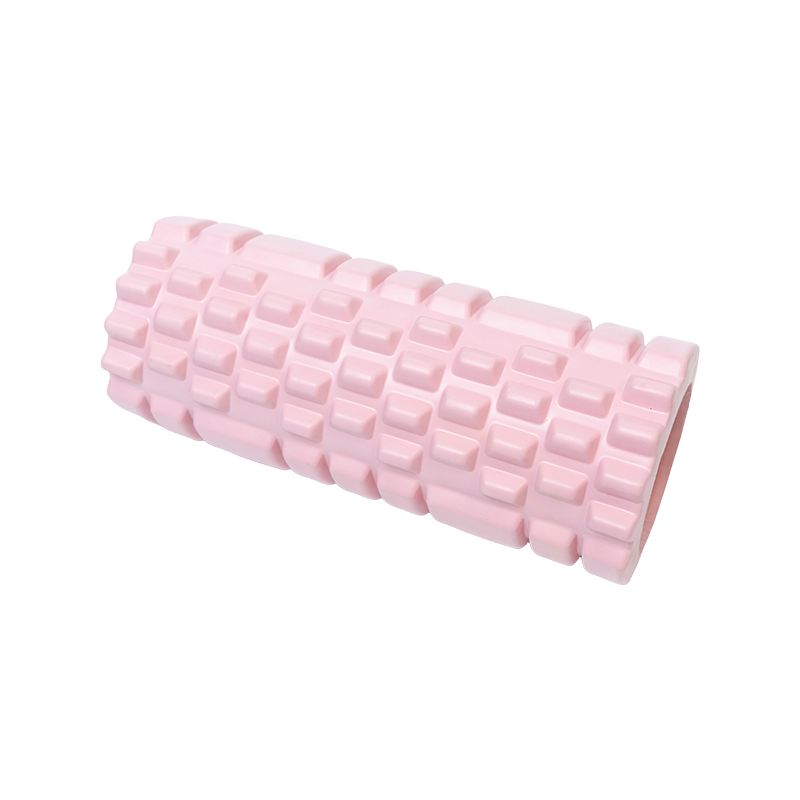



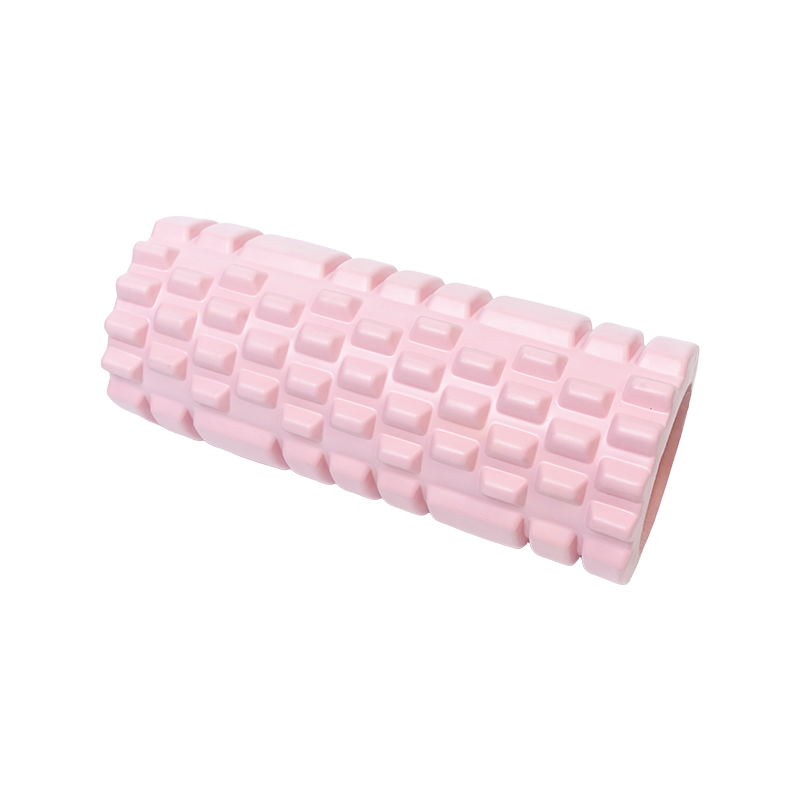
Bolestivosť svalov po tréningu je zvládnuteľná, keď nástroj, ktorý vykonáva prácu, skutočne drží. An penový valec na jogu na výdrž je vyrobený z peny s vysokou hustotou, takže si zachováva svoj tvar a oporu aj počas rokov každodenného rolovania, nielen počas niekoľkých sedení.
Prečo hustota valčekov určuje všetko ostatné
Mäkký valec s nízkou hustotou pôsobí na prvý dotyk jemne, ale pod váhou tela a opakovaným tlakom sa rýchlo rozpadá a stráca schopnosť aplikovať konzistentné napätie na napäté svaly. Pena s vysokou odolnosťou si drží svoju štruktúru počas tisícok cyklov valcovania, čo je skutočný rozdiel medzi valcom, ktorý vydrží sezónu a tým, ktorý vydrží roky používania v telocvični alebo v štúdiu.
Čo odlišuje vytrvalostný valec
Drží tvar pri každodennom komerčnom používaní, stabilná podpora rovnováhy, stály tlak počas rokov tréningu
Častým používaním zmäkne a deformuje sa, lepšie sa hodí na príležitostné alebo ľahké domáce cvičenie
Kde sa to hodí do tréningu a regenerácie
- Štúdiá jogy ho používajú na zahrievanie strečingu a pózy založené na rovnováhe naprieč úrovňami zručností.
- Športovci a tréneri ho používajú na sebamyofasciálne uvoľnenie po tréningu na zníženie stuhnutosti svalov.
- Fyzikálne terapeutické programy ju používajú ako nástroj s nízkym dopadom na cvičenia s riadenou pohyblivosťou.
- Používatelia domáceho fitness sa naň spoliehajú pri každodenných strečingových rutinách medzi cvičeniami v posilňovni.
Špecifikácie, na ktorých záleží okrem pevnosti
| Špecifikácia | Prečo na tom záleží |
| Hustota peny | Určuje, ako dlho trvá výkon podpory pri opakovanom použití |
| Priemer a dĺžka | Ovplyvňuje, ktoré svalové skupiny a veľkosti tela sú najlepšie podporované |
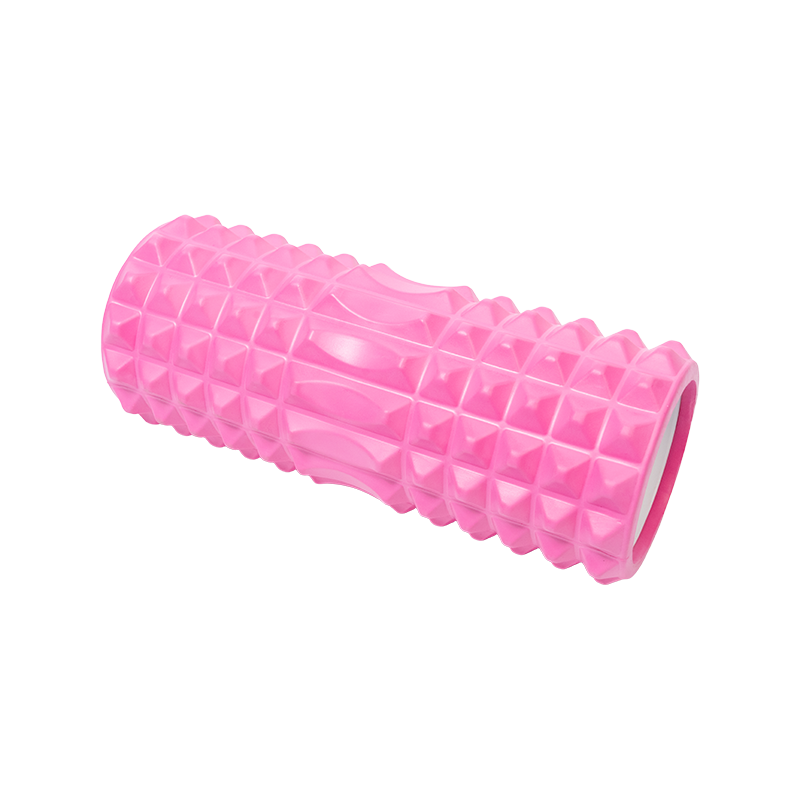
| Textúra povrchu | Mení rozloženie tlaku a pohodlie počas rolovania |
| Nosnosť hmotnosti | Potvrdzuje vhodnosť pre rôzne typy tela používateľov |
Získavanie od schopného výrobcu
Presnosť tvarovania peny a konzistencia materiálu oddeľujú valec, ktorý funguje roky, od valca, ktorý sa v priebehu mesiacov vyrovná. Spoľahlivý jogový penový valec Výrobca by mal byť schopný zdieľať výsledky testov obnovy kompresie a nosnosti spolu s možnosťami OEM pre hustotu, veľkosť, vzor povrchu a značku.
Často kladené otázky
Ako zistím, či má penový valec vysokú hustotu?
Valčeky s vysokou hustotou sa cítia pevne s minimálnym tlakom ruky a zvyčajne uvádzajú špecifickú hodnotu hustoty alebo hodnotenie tvrdosti na liste špecifikácie produktu.
Môže byť penový valec pre začiatočníkov príliš pevný?
Áno, veľmi pevné valčeky môžu byť pre používateľov, ktorí ho prvýkrát používajú, intenzívne, takže mnohí tréneri odporúčajú začať s miernou hustotou a až potom prejsť k pevnejšiemu valčeku vytrvalostného stupňa.
Ako dlho by mal kvalitný penový valec vydržať?
Dobre vyrobený valec s vysokou hustotou používaný v komerčnej telocvični alebo štúdiu si môže zachovať svoj tvar a podporu niekoľko rokov pravidelného každodenného používania.
Je dlhší valec lepší ako kratší?
Dlhšie valce podporujú väčšie oblasti, ako je celý chrbát a sú užitočné pri cvičení rovnováhy, zatiaľ čo kratšie valce sú prenosnejšie a vhodnejšie na cielenú svalovú prácu.
 |  |