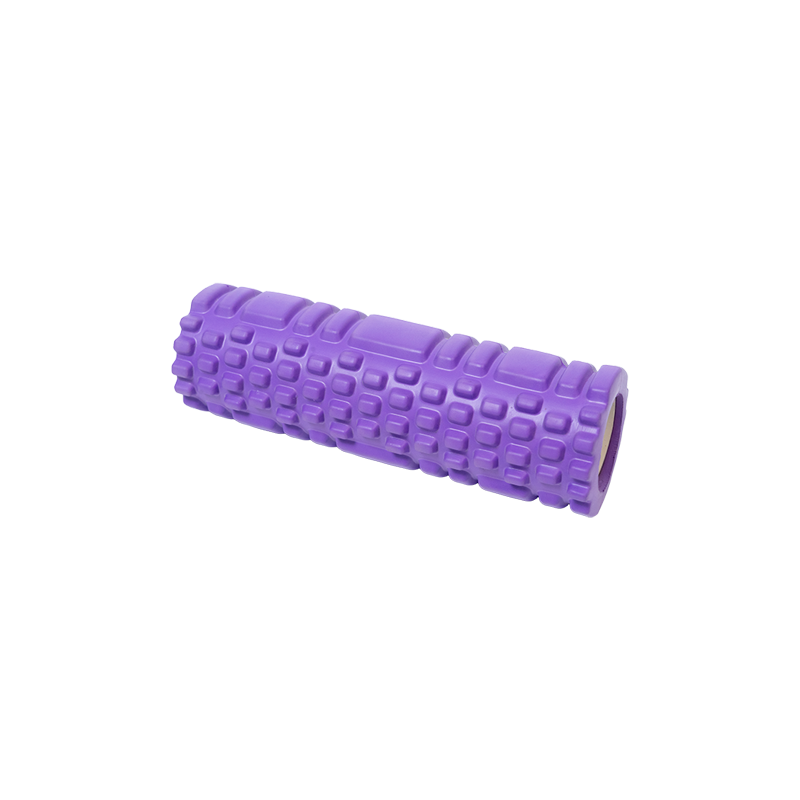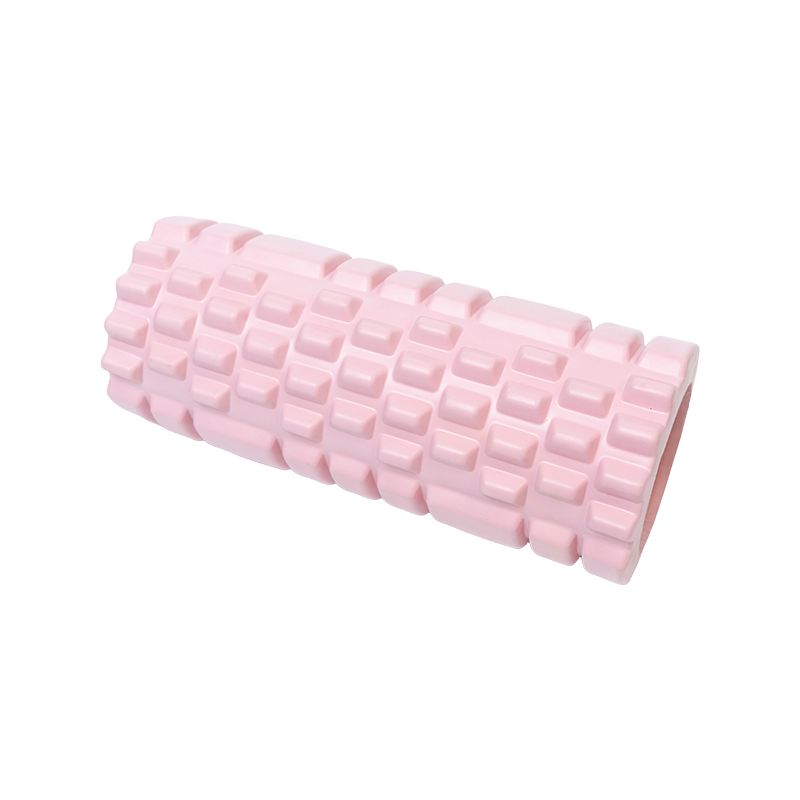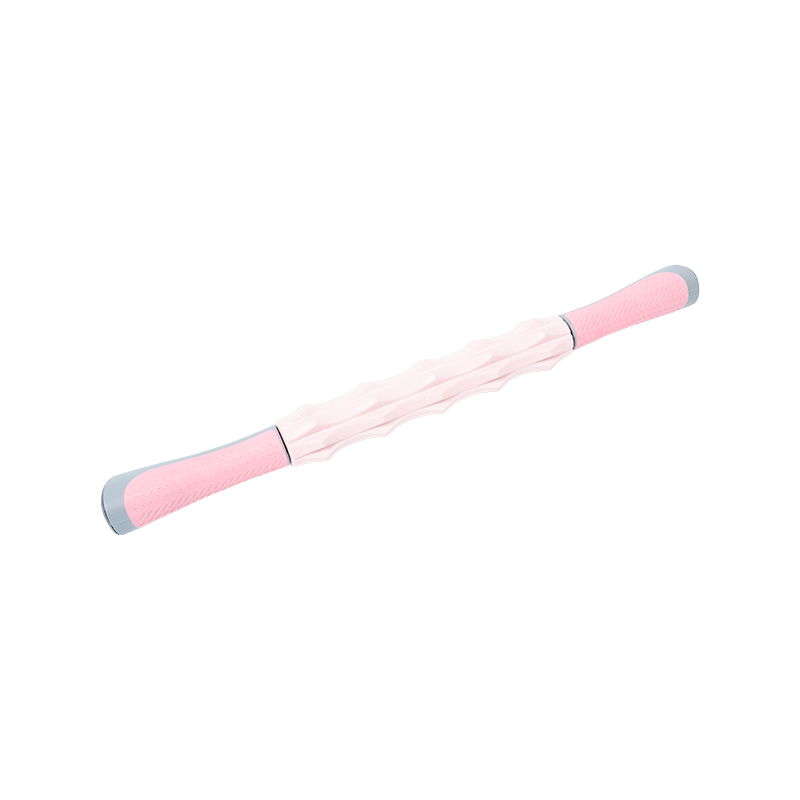



Ako používať a Penový valec
Foam rolling funguje tak, že na svalovú skupinu pôsobí trvalý alebo pomalý tlak, o ktorom sa predpokladá, že znižuje napätie vo fascii (spojivovom tkanive obklopujúcom svaly) a dočasne zlepšuje prietok krvi a rozsah pohybu. Základná technika zostáva konzistentná vo všetkých svalových skupinách:
- Umiestnite valec pod cieľový sval, podopierajte telesnú hmotnosť rukami alebo opačnou nohou podľa potreby.
- Rolujte pomaly, rýchlosťou približne 1 palec za sekundu, po celej dĺžke svalu, než aby ste rýchlo trhali tam a späť.
- Keď nájdete citlivé alebo tesné miesto, zastavte sa a držte ho jemným tlakom po dobu 20 – 30 sekúnd, plynulo dýchajte, namiesto toho, aby ste sa po ňom opakovane prevaľovali.
- Strávte približne 30-60 sekúnd na jednu svalovú skupinu, vyhýbajte sa rolovaniu priamo cez kĺby, kosti alebo kríže.
- Udržujte tlak na úrovni, ktorá sa cíti ako pevné nepohodlie, nie ostrá bolesť – ostrá alebo vyžarujúca bolesť je signálom na zastavenie a zníženie tlaku.
Výhody penového valca
Výskum penového valcovania, často študovaný pod pojmom „samo-myofasciálne uvoľňovanie“, poukazuje na niekoľko konzistentných krátkodobých výhod:
- Zlepšený rozsah pohybu — štúdie ukazujú merateľné krátkodobé zvýšenie ohybnosti kĺbov po penovom valcovaní bez straty sily niekedy spojenej so statickým strečingom pred cvičením.
- Znížená vnímaná svalová bolestivosť — penové rolovanie po intenzívnom cvičení je spojené s nižšou hlásenou bolestivosťou počas nasledujúcich 24 – 72 hodín v porovnaní so žiadnym zotavovacím zásahom.
- Zlepšená cirkulácia — rolovací tlak dočasne zvýši prietok krvi do obrábanej oblasti, čo môže podporiť zotavenie.
- Znížené svalové napätie — Mnohí používatelia hlásia subjektívny pocit uvoľnenejších, menej „napnutých“ svalov bezprostredne po rolovaní, najmä v oblasti bežne napätých oblastí, ako sú lýtka, IT pás a horná časť chrbta.
Väčšina z týchto výhod je krátkodobá a najlepšie sa chápe ako súčasť širšej rutiny zahrievania, ochladzovania alebo obnovy, a nie ako samostatná oprava chronických problémov.
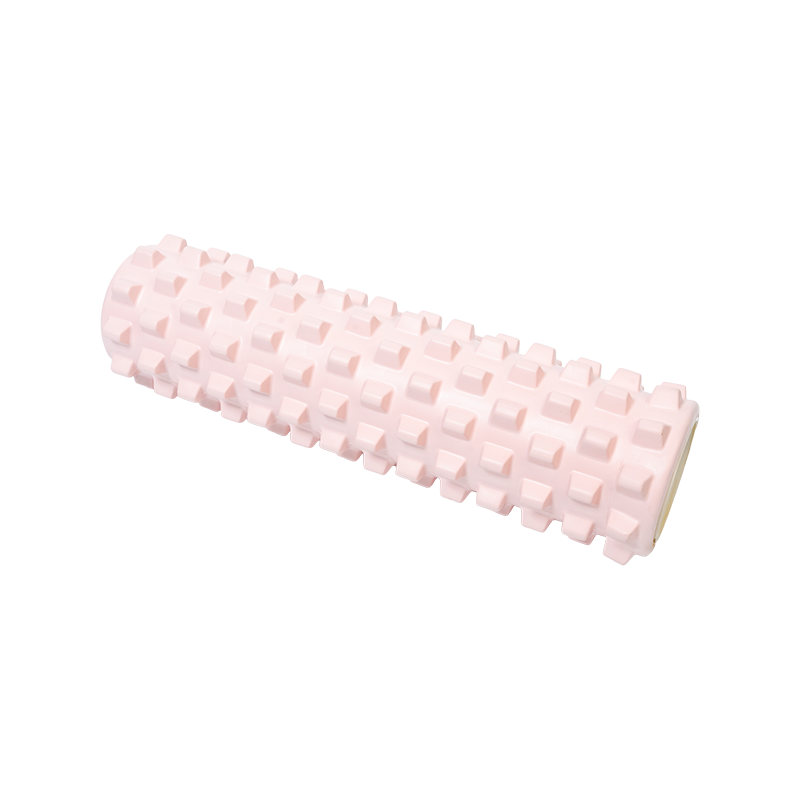
Penový valec pred alebo po tréningu
Foam rolling môže byť užitočný pred aj po tréningu, ale v každom bode slúži na iný účel:
| Načasovanie | Účel | Prístup |
|---|---|---|
| Pred cvičením | Zahrejte tkanivo, zvýšte krátkodobý rozsah pohybu | Krátke, dynamické prechody (30-60 sekúnd na sval), ľahký tlak |
| Po cvičení | Podporte zotavenie, znížte bolestivosť na druhý deň | Pomalšie, dlhšie drží na úzkych miestach, mierny tlak |
Ako sa líši technika a ciele penového valcovania pred a po cvičení.
Cvičenie s penovým valcovaním podľa svalovej skupiny
- Teľatá — sadnite si s valčekom pod lýtka, ruky vzadu, aby ste mali oporu, a prevaľujte sa od členku ku kolenu, mierne otáčajte nohu, aby ste zasiahli obe strany.
- Štvorkolky — ľahnite si tvárou nadol, predlaktia podopierajú váhu, valček pod stehnami a prevaľujte sa od bedra tesne nad kolenom.
- Hamstringy — Sadnite si s valčekom pod stehná, ruky vzadu, aby ste si ich podopreli, a prevaľujte sa od sedacej časti tesne nad kolenom.
- IT kapela — ľahnite si na jednu stranu s valčekom pod vonkajším stehnom a prevaľujte sa od bedra po koleno; táto oblasť je často jemnejšia, takže zvyčajne stačí mierny tlak.
- Horná časť chrbta — ľahnite si na valec umiestnený vodorovne pod lopatkami, rukami podopierajte hlavu a jemne sa prevaľujte od strednej časti chrbta k hornej časti pliec, pričom držte jadro v zábere.
Penový valec na bolesti chrbta a penový valec pre bežcov
Pri všeobecnom napätí svalov v hornej časti chrbta môže penové valcovanie ponúknuť dočasnú úľavu uvoľnením napätia okolo lopatiek a hrudnej chrbtice. Penové valčeky by sa však nikdy nemali pretáčať priamo cez kríže alebo chrbticu, pretože v driekovej oblasti chýba rovnaká svalová výplň a rolovanie tu môže skôr namáhať chrbticu ako uvoľňovať svaly. Pretrvávajúca, ostrá alebo vyžarujúca bolesť chrbta je signálom, aby ste sa radšej poradili so zdravotníckym pracovníkom, než aby ste sa spoliehali na nástroje na samomyofasciálne uvoľnenie.
Pre bežcov sa penové rolovanie najčastejšie používa na lýtkach, štvorkolkách, hamstringoch a IT bande – svalových skupinách, ktoré absorbujú najviac opakovaný stres z behu. Krátke valcovanie zamerané na tieto oblasti po behu v kombinácii s primeraným odpočinkom a hydratáciou je bežnou súčasťou regeneračných postupov bežcov, hoci penové valcovanie funguje najlepšie popri – nie namiesto – správneho manažmentu tréningovej záťaže.
Jogové cvičenia na penovom valci
Penové valce sa čoraz častejšie používajú v praxi jogy na pridanie nestabilného alebo podporného povrchu k známym pózam, čím sa zvyšuje mobilita a stabilita jadra:
- Podporovaná extenzia chrbtice — ležanie pozdĺžne pozdĺž valca s podopretím chrbtice pasívne otvára hrudník a ramená.
- Póza mostíka s pomocou valčekov — umiestnenie valčeka pod chodidlá počas mostíkovej pózy zvyšuje nestabilitu, ktorá aktívnejšie zapája jadro a zadok.
- Preloženie v sede dopredu s valčekom — rolovanie lýtok alebo hamstringov pred záhybom dopredu môže dočasne zvýšiť flexibilitu, vďaka čomu bude úsek prístupnejší.
- Práca na vyvážení valčekov — kľačanie alebo státie s valčekom pod rukami alebo nohami dodáva štandardným pózam zložku rovnováhy a stability.
Penový valec vs masážna pištoľ
| Faktor | Penový valec | Masážna pištoľ |
|---|---|---|
| Pokrytie | Široký, pokrýva veľké svalové partie naraz | Cielené, zameriava sa na malé, špecifické spoty |
| Kontrola tlaku | Riadené telesnou hmotnosťou | Riadené nastavením rýchlosti/intenzity zariadenia |
| Vyžaduje sa úsilie | Vyžaduje aktívne polohovanie tela | Pasívne, ľahšie pre ťažko dostupné miesta |
| náklady | Nižšia | Vyššie, vyžaduje nabíjanie/batérie |
Penové valčeky a masážne pištole v porovnaní s použitím na regeneráciu.
Ani jeden nástroj nie je jednoznačne lepší; Penové valčeky fungujú dobre pri širokých, plných svalových cvičeniach a nevyžadujú nabíjanie, zatiaľ čo masážne pištole sú vhodnejšie na rýchlu a cielenú úľavu na špecifickom napätom mieste, najmä v oblastiach, ako je horná časť chrbta, proti ktorým je ťažšie umiestniť valec.
Vysoká hustota vs mäkké penové valčeky
Penové valčeky siahajú od mäkkej peny s nízkou hustotou až po pevnú penu s vysokou hustotou a správny výber závisí od úrovne skúseností a tolerancie tlaku.
- Mäkké penové valčeky ľahko sa stlačí pod telesnou hmotnosťou, čím sa vytvorí jemnejší tlak. Vo všeobecnosti sú lepšie pre začiatočníkov, citlivé oblasti alebo kohokoľvek, kto je novým myofasciálnym uvoľňovaním.
- Penové valčeky s vysokou hustotou držia svoj tvar pod tlakom a dodávajú hlbší a intenzívnejší tlak do svalu. Vyhovujú skúseným užívateľom, väčším svalovým skupinám, ako sú štvorkolky a sedacie svaly, alebo ľuďom, ktorí považujú mäkké valce po pravidelnom používaní za neúčinné.
Textúrované valčeky s hrebeňmi alebo gombíkmi – dostupné v oboch hustotách – sú navrhnuté tak, aby napodobňovali cielený tlak ručnej masáže, ale zároveň zvyšujú intenzitu, takže začiatočníci zvyčajne začínajú s hladkým, mäkším valčekom a až potom prejdú na možnosti s textúrou alebo vysokou hustotou.
Ako často by ste mali používať penový valec
Pre všeobecnú údržbu a regeneráciu tréningu je penové valcovanie 3-5 krát týždenne alebo po väčšine tréningov bežnou a všeobecne dobre tolerovanou frekvenciou. Každodenné pretáčanie peny je bežné aj u športovcov s vysokým tréningovým zaťažením, za predpokladu, že tlak zostane mierny a tréningy zabránia pretáčaniu akéhokoľvek jedného citlivého miesta.
Známky, že frekvencia alebo tlak penového valcovania by sa mali znížiť, zahŕňajú pretrvávajúce modriny, ostrú bolesť počas valcovania alebo po ňom alebo zvýšenú (skôr než zníženú) bolestivosť svalov nasledujúci deň. Ako pri každej novej pohybovej rutine, postupné uvoľňovanie a venovanie pozornosti tomu, ako telo reaguje, je spoľahlivejšie ako dodržiavanie pevnej frekvencie pre každého.
Tento obsah slúži na všeobecné informačné účely. Ktokoľvek s pretrvávajúcou bolesťou, zranením alebo základným zdravotným stavom by sa mal pred začatím novej rutiny mobility alebo zotavenia poradiť so zdravotníckym pracovníkom.